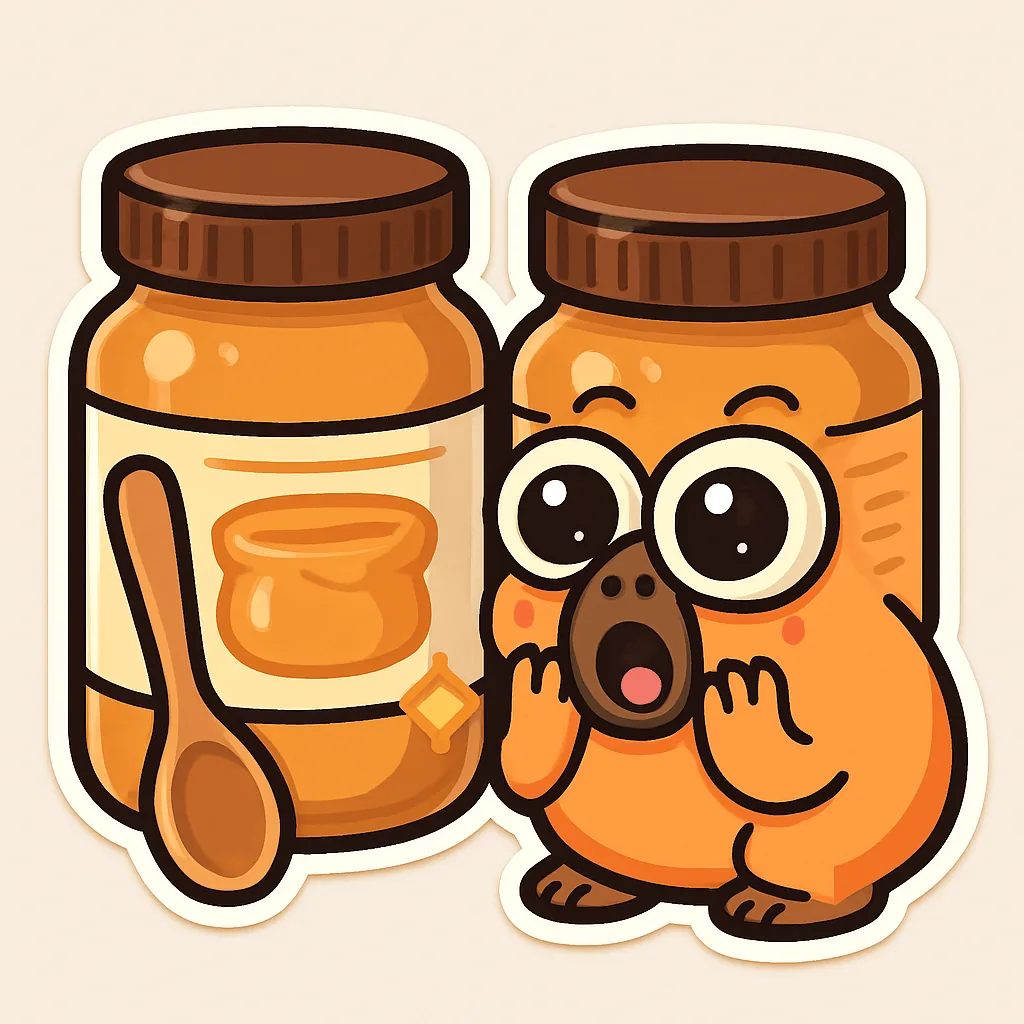
Two jars of peanut butter, side by side, same shelf, same price. One flips over and reads: peanuts, salt. The other reads like a paragraph. Peanuts, sugar, hydrogenated vegetable oil, mono and diglycerides, maltodextrin, molasses, salt, natural flavor, and a few things I'd have to sound out. Same aisle. Same eight dollars. Very different plate.
So here's the thing I keep noticing. The long list isn't automatically worse for you, not the way a shame word wants it to be. But it usually reads different on the fork, and it usually scores lower when you actually break it down. The question isn't whether the extras are evil. The question is what they're doing there, and whether the food still tastes like the food it says it is.
Let's see what's on the plate. A short ingredient list on peanut butter means the jar is mostly peanuts, doing peanut things. Some fat, some protein, a little natural sugar, salt if you like. The oil floats to the top because nothing's holding it down, and you stir it back in. Annoying, honestly. But the number on that jar is a peanut number.
The long list is a different animal. The hydrogenated oil is there so nothing separates on the shelf, which is nice. The sugar is there because peanuts alone taste like peanuts, and the recipe wants them to taste like dessert. The maltodextrin is there for texture, to make the spread feel smoother than it is. The natural flavor is there because once you've added all the other stuff, the peanut got a little quiet and needs help sounding like itself again.
None of those are poison. I want to be clear about that, because the internet gets weird about this. It's just that each addition is a small vote away from the food on the label. Add enough votes and the jar reads sweeter, richer, softer, louder. The number climbs. The protein per spoon stays about the same, but the sugar doubles and the fat gets a little sadder. The sauce, in this case, is the loud one, even though the sauce is inside the jar.
Here's the scan habit I use, and it takes about four seconds at the shelf. Flip the jar. Count the ingredients. If it's three or under, you're basically buying the food on the front. If it's five to eight, someone helped the recipe along, usually fine, sometimes not. If it's over ten and half of them are syllables you'd have to sound out, the food on the front is doing less work than the label suggests. That's it. That's the whole trick.
The reason this matters isn't moral. It's just that the number on a two-ingredient peanut butter and a fifteen-ingredient peanut butter tell you slightly different stories about what your body is about to spend the next hour digesting. One is closer to a peanut. The other is closer to a dessert spread with peanuts in it. Both are food. They're not the same food.
And this holds beyond peanut butter, which is why I keep bringing it up. Yogurt does this. Bread does this. Pasta sauce, wildly. Oat milk, more than people want to hear. The pattern is always the same. The short list is the food. The long list is the food plus a small committee of helpers, most of whom are there to make it shelf-stable, sweeter, or smoother. Sometimes that committee is worth it, actually. A little lecithin in a nut butter so it doesn't separate, I'll take it. A cup of sugar and three stabilizers in a yogurt that started life tart, I'd rather not.
One small swap and this shifts. If your peanut butter jar reads like an essay, try the one next to it that reads like a haiku. Same price, most of the time. The texture is a little rougher, the oil floats, you stir. The number drops. The plate reads cleaner without anyone using the word clean.
Here's what I'd change first, if you're standing in the aisle right now. Pick up the jar you already buy. Flip it over. Just look. You don't have to switch anything today. You just want to know what's on the fork before it gets there. Next round at the store, if the shorter list is right there and it's the same money, grab that one instead. That's a whole habit, tucked into four seconds of reading.
The ingredient list is a little window. Open it. See who's inside. Some jars, the peanut's doing all the work. Some jars, the peanut brought fourteen friends. Both can end up on toast. You just get to know which one you're eating.