A farmhouse table with wear scattered across it like buckshot — edges, middle, underside, all evenly roughed — that's not age, that's a Saturday with sandpaper. Real wear has a logic. Hands, floors, sunlight, and spills touch a piece in the same few places for decades, the story they leave is lopsided by nature. Even is the enemy. Where would a real kitchen actually have rubbed this table?
Dark 'age' on wood is the oldest trick going. Shoe polish and tinted wax get worked into carvings and corners to mimic a century of grime — but they pool everywhere equally, and real grime doesn't. Honest dirt builds where fingers can't reach to clean and thins where they can, that's the pattern to hunt for. Give it a wipe and look again — polish comes off on the rag, old grime mostly stays put. Does the corner smell faintly of the shoeshine stand?
Paper and cloth get the tea treatment. A dip in tea or coffee turns a modern document or sampler an even, all-over tan — but genuine old paper ages in blotches, foxing spots scattered like freckles, darker at the exposed edges and paler where it sat pressed in a stack. Beige from corner to corner is a dye job. Sniff it too, old paper smells like a dry attic and not like breakfast.
New brass takes a chemical darkening in an afternoon and comes out an even chocolate brown from lip to base. Honest brass never looks like that. A candlestick handled for a hundred years goes bright on the high spots where thumbs polished it and stays dark down in the recesses — the contrast is the fingerprint of use, you can almost see the grip. Which parts of this piece would a hand actually have held?
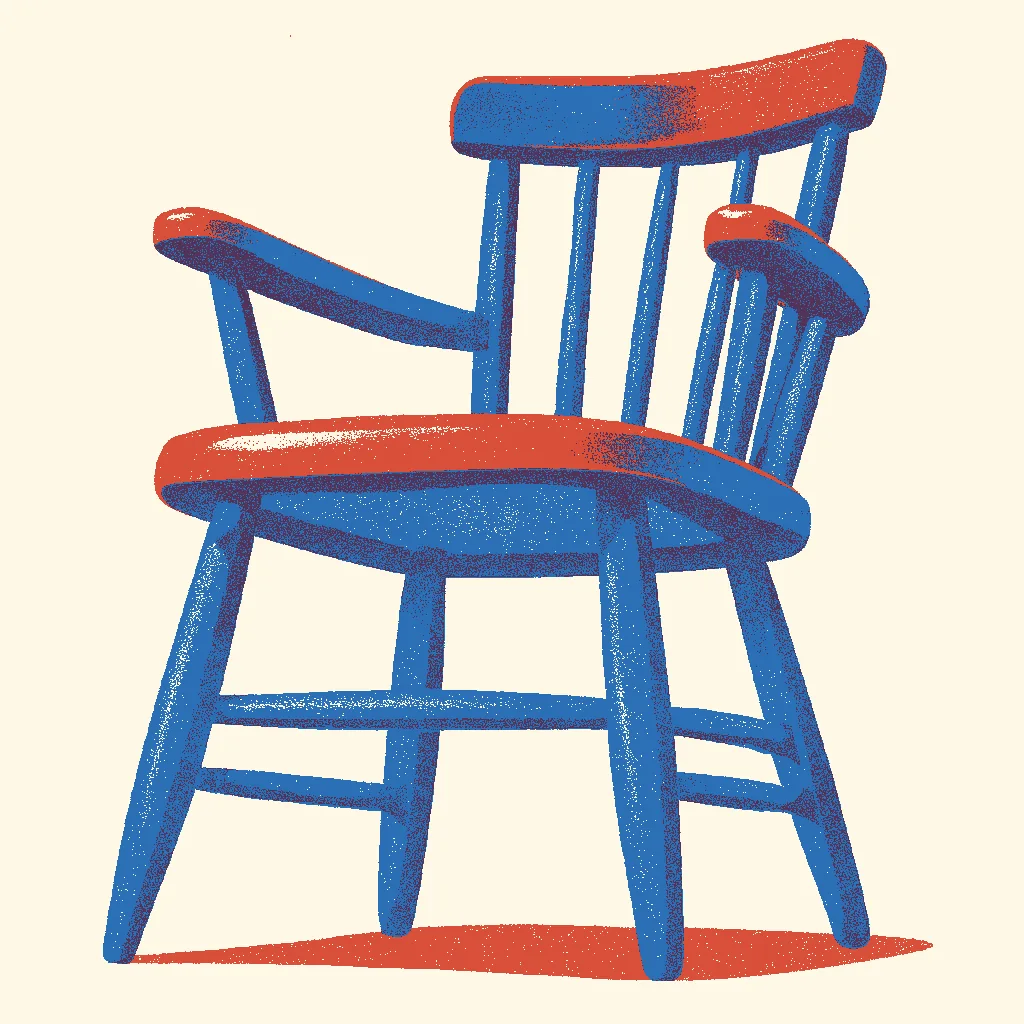
Distressing that ignores habit gives itself away too. Dents on protected undersides, wormholes drilled in tidy straight rows, heavy wear on stretchers no boot could reach — real worm tunnels wander, real chairs wear their arms and feet, real chests wear the lid edge and the pulls. Fake age lands wherever the tool happened to land. Real age is a map of somebody's routine.
Somebody loved this once — or somebody dressed it up last Tuesday. The difference is never how much wear, it's where the wear sits.
None of it means walking away, friend — a dressed-up table is still a table at the right price. The extra money real age commands belongs only to pieces that earned it. So before the sticker talks you into a story: where has this thing actually lived?